How to Become Financially Independent Before Age 40
Financial independence before the age of 40 is no longer just a dream reserved for entrepreneurs or high-income earners. Thanks to smart financial planning, disciplined saving, strategic investing, and multiple income streams, thousands of people around the world are achieving financial freedom decades before traditional retirement age.
The concept of Financial Independence, Retire Early (FIRE) has gained massive popularity over the past decade. Instead of working until age 65, many individuals are building enough wealth to cover their living expenses much earlier, giving them the freedom to choose how they spend their time.
Whether your goal is to retire early, start your own business, travel the world, or simply reduce financial stress, becoming financially independent before age 40 is possible with the right strategy.
This guide explains the proven steps to achieve financial independence, avoid common mistakes, and build long-term wealth.
What Is Financial Independence?
Financial independence means having enough assets, investments, and passive income to cover your living expenses without depending on a traditional full-time job.
When your investment income exceeds your monthly expenses, work becomes optional rather than necessary.
Financial independence does not necessarily mean you stop working—it means you have the freedom to choose how and when you work.
Why Aim for Financial Independence Before 40?
Achieving financial independence early offers numerous benefits:
- Greater financial security
- Freedom to pursue your passions
- Reduced stress about money
- Flexibility to travel or relocate
- Ability to start your own business
- More time with family
- Early retirement opportunities
- Increased control over your lifestyle
The earlier you achieve financial independence, the more years you have to enjoy the freedom it provides.
Step 1: Define Your Financial Independence Goal
The first step is knowing how much money you need.
A common guideline is the 25x Rule, which suggests saving 25 times your annual living expenses.
Example
Annual expenses: $40,000
Financial independence target:
$40,000 × 25 = $1,000,000
This amount can potentially support annual withdrawals of around 4% while preserving your investment portfolio over the long term.
Your target will depend on your lifestyle, family size, and future plans.
Step 2: Create a Detailed Financial Plan
A written financial plan increases the likelihood of reaching your goals.
Your plan should include:
- Income
- Monthly expenses
- Savings goals
- Investment strategy
- Debt repayment schedule
- Retirement planning
- Emergency fund target
Review your financial plan every few months and adjust it as your circumstances change.
Step 3: Live Below Your Means
One of the most important habits of financially independent people is spending less than they earn.
Avoid lifestyle inflation when your income increases.
Instead of upgrading your lifestyle immediately, direct additional income toward:
- Investments
- Savings
- Debt repayment
- Business opportunities
Living below your means creates the surplus needed to build wealth.
Step 4: Increase Your Savings Rate
Your savings rate has a greater impact on early financial independence than almost any other factor.
Many FIRE enthusiasts save 40–70% of their income.
Even if that seems unrealistic, increasing your savings rate from 10% to 25% can dramatically shorten the time needed to reach financial independence.
Ways to Save More
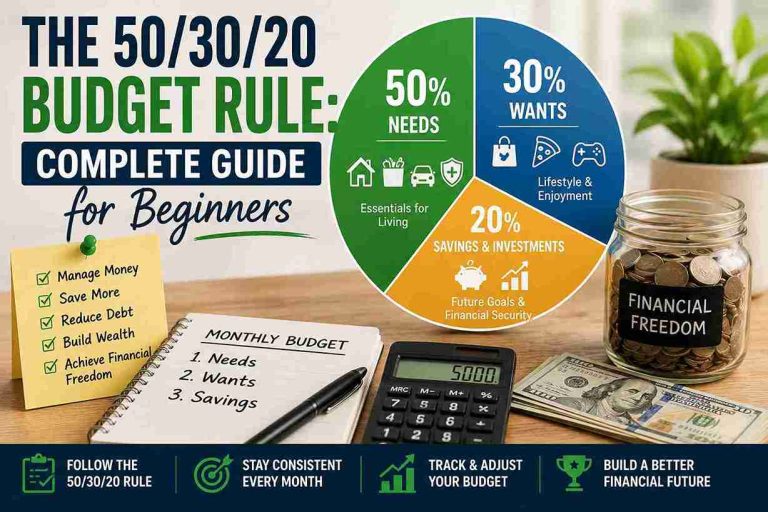
- Create a budget
- Reduce unnecessary expenses
- Cook at home
- Eliminate unused subscriptions
- Buy quality products instead of impulse purchases
- Avoid lifestyle debt
Every dollar saved can be invested for future growth.
Step 5: Build an Emergency Fund
Before aggressively investing, establish an emergency fund covering three to six months of essential living expenses.
An emergency fund protects you from:
- Job loss
- Medical expenses
- Car repairs
- Unexpected home maintenance
Without emergency savings, you may be forced to sell investments or take on expensive debt during difficult times.
Step 6: Eliminate High-Interest Debt
High-interest debt is one of the biggest obstacles to financial independence.
Focus on paying off:
- Credit card debt
- Payday loans
- High-interest personal loans
Reducing debt increases cash flow and allows more money to be invested.
Consider using:
- Debt Avalanche Method
- Debt Snowball Method
The faster you eliminate debt, the faster your wealth can grow.
Step 7: Invest Early and Consistently
Investing is the engine that powers financial independence.
Money sitting in a savings account often loses purchasing power because of inflation.
Instead, invest consistently in assets with long-term growth potential.
Popular Investment Options
- Index funds
- Exchange-Traded Funds (ETFs)
- Dividend stocks
- Mutual funds
- Real estate investment trusts (REITs)
- Retirement accounts
The earlier you begin investing, the more time compound growth has to work.
Step 8: Harness the Power of Compound Interest
Compound interest allows your investments to generate returns on previous returns.
For example, investing $500 per month over many years can grow into a substantial portfolio, depending on investment performance and consistency.
Time is your greatest advantage. Starting in your 20s or early 30s provides decades for compounding to work in your favor.
Step 9: Develop Multiple Income Streams
Relying on one paycheck can slow your progress toward financial independence.
Additional income sources can include:
- Freelancing
- Affiliate marketing
- Blogging
- Dividend income
- Online courses
- Digital products
- Rental properties
- YouTube content creation
- Consulting
- Stock photography
Multiple streams of income improve financial resilience and accelerate wealth building.
Step 10: Increase Your Earning Potential
Saving is important, but increasing your income can significantly speed up your journey.
Ways to increase earnings include:
- Learning high-income skills
- Negotiating salary increases
- Switching to higher-paying roles
- Starting a side business
- Upskilling through certifications
- Building an online business
Investing in yourself often provides the highest long-term return.
Step 11: Avoid Lifestyle Inflation
Lifestyle inflation occurs when spending increases alongside income.
Instead of buying a luxury car or upgrading your home immediately after receiving a raise, consider investing the additional income.
Maintaining a modest lifestyle while increasing earnings allows your investments to grow much faster.
Step 12: Focus on Long-Term Investing
Successful investors avoid emotional decisions based on short-term market movements.
Instead:
- Invest consistently
- Diversify your portfolio
- Stay invested during market downturns
- Reinvest dividends
- Review your portfolio periodically
Patience is one of the greatest wealth-building tools.
Step 13: Continue Learning About Personal Finance
Financial education is essential for long-term success.
Study topics such as:
- Investing
- Tax planning
- Budgeting
- Real estate
- Entrepreneurship
- Wealth management
- Retirement planning
The more financially literate you become, the better decisions you’ll make.
Common Mistakes That Delay Financial Independence
Avoid these common pitfalls:
Spending More Than You Earn
Overspending reduces your ability to save and invest.
Ignoring Investments
Waiting too long to invest significantly reduces the power of compounding.
Carrying High-Interest Debt
Debt payments reduce cash available for wealth building.
Depending on One Income Source
Diversification provides greater financial stability.
Chasing Get-Rich-Quick Schemes
True financial independence is built through consistent habits, not shortcuts.
Habits of Financially Independent People
People who achieve financial freedom often share similar habits:
- They budget consistently.
- They save aggressively.
- They invest regularly.
- They avoid unnecessary debt.
- They continuously improve their skills.
- They think long-term.
- They diversify their income.
- They prioritize assets over liabilities.
These habits create sustainable wealth over time.
How Long Does It Take to Become Financially Independent?
The timeline depends on several factors:
- Income
- Savings rate
- Investment returns
- Lifestyle expenses
- Debt levels
Someone who saves and invests a large portion of their income may achieve financial independence much earlier than someone with a lower savings rate.
The key is consistency rather than perfection.
Conclusion
Becoming financially independent before age 40 is an ambitious but achievable goal. It requires discipline, patience, and a long-term mindset rather than extraordinary luck or a massive salary.
By living below your means, increasing your savings rate, eliminating debt, investing consistently, building multiple income streams, and continuously improving your financial knowledge, you can create lasting wealth and enjoy the freedom to live life on your own terms.
Remember, financial independence is not just about retiring early—it’s about gaining the flexibility and confidence to make life decisions without being constrained by money.
The best time to start your journey toward financial independence is today.