How Inflation Affects Your Savings and Investments
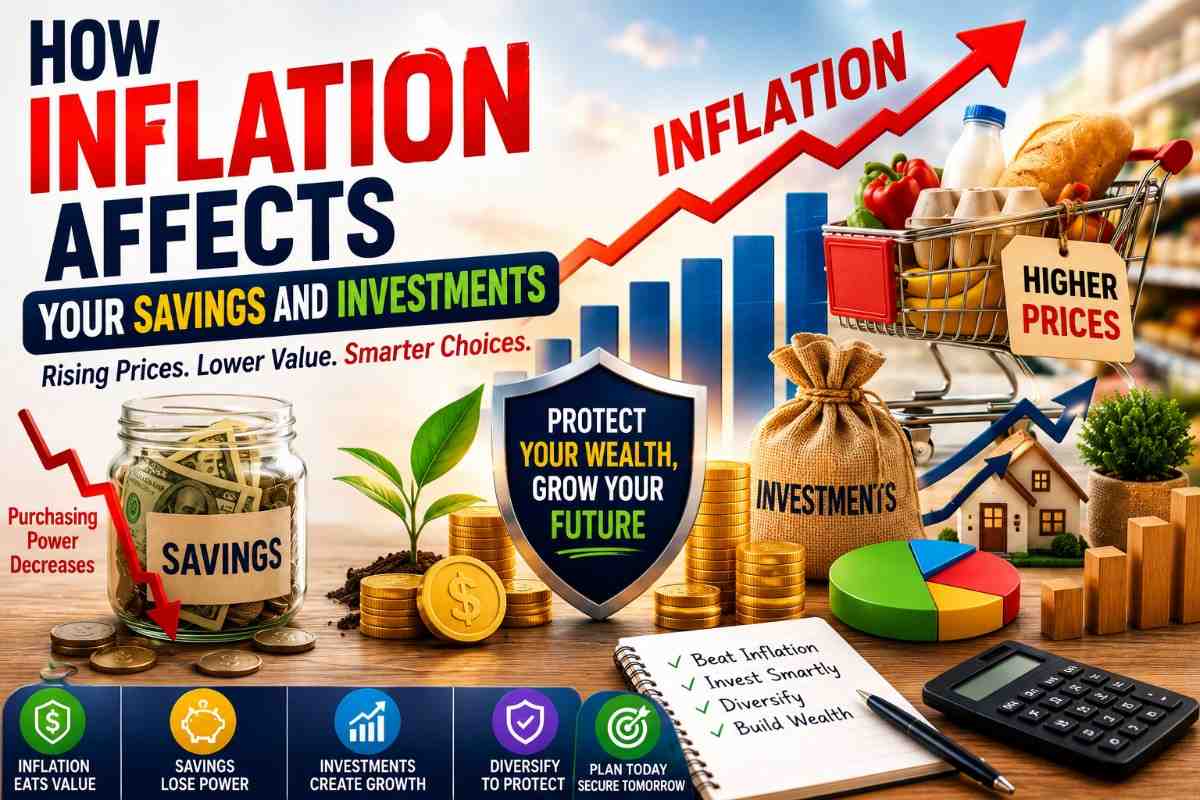
Inflation is one of the most important economic forces that affects your personal finances. Whether you’re saving for an emergency fund, investing for retirement, or simply trying to maintain your purchasing power, inflation plays a crucial role in determining how much your money is truly worth over time.
Many people believe that keeping money in a savings account is enough to secure their financial future. However, if your savings earn less than the inflation rate, your money gradually loses purchasing power. Similarly, inflation can have both positive and negative effects on different types of investments.
Understanding how inflation works and learning strategies to protect your wealth can help you make smarter financial decisions and achieve your long-term financial goals.
In this guide, we’ll explain how inflation affects your savings and investments, why it matters, and practical ways to protect your money during periods of rising prices.
What Is Inflation?
Inflation is the rate at which the general prices of goods and services increase over time. As inflation rises, each unit of currency buys fewer goods and services than before.
For example:
- A loaf of bread costing $2.00 today may cost $2.10 next year if inflation is 5%.
- A car costing $30,000 today may cost $31,500 next year.
In simple terms, inflation reduces the purchasing power of your money.
What Causes Inflation?
Several factors can contribute to inflation, including:
1. Demand-Pull Inflation
When consumer demand exceeds the supply of goods and services, businesses often raise prices.
2. Cost-Push Inflation
When production costs such as wages, fuel, or raw materials increase, companies pass these higher costs on to consumers.
3. Monetary Expansion
If too much money enters the economy without a corresponding increase in goods and services, inflation may accelerate.
4. Supply Chain Disruptions
Natural disasters, geopolitical conflicts, or transportation issues can reduce supply, causing prices to rise.
Why Inflation Matters
Inflation affects nearly every aspect of your financial life.
It impacts:
- Household budgets
- Savings accounts
- Retirement planning
- Investments
- Loan repayments
- Purchasing power
- Business profits
Even moderate inflation can significantly reduce the value of money over several decades.
How Inflation Reduces Purchasing Power
Purchasing power refers to how much your money can buy.
If inflation averages 3% annually, a product costing $100 today will cost approximately:
- $103 after one year
- $116 after five years
- $134 after ten years
If your income or investment returns do not keep pace with inflation, your real wealth declines.
How Inflation Affects Your Savings
Savings accounts provide security and liquidity, but inflation can quietly erode their value.
Example
Suppose you have $20,000 in a savings account earning 2% interest while inflation is 5%.
Although your account balance increases, your purchasing power decreases because prices rise faster than your savings grow.
This difference is known as the real rate of return.
Formula:
Real Return = Interest Rate − Inflation Rate
In this example:
2% − 5% = –3%
Even though your balance grows nominally, your money loses value in real terms.
Inflation and Emergency Funds
Emergency funds should prioritize safety and accessibility rather than high returns.
Although inflation reduces purchasing power, emergency savings remain essential for covering unexpected expenses such as:
- Medical emergencies
- Job loss
- Car repairs
- Home maintenance
Keep enough cash for emergencies, but avoid holding excessive amounts that lose value over time.
How Inflation Affects Investments
Unlike savings accounts, investments may perform differently during inflationary periods.
Some assets benefit from inflation, while others may struggle.
Let’s examine common investment types.
1. Stocks
Historically, stocks have often outperformed inflation over the long term.
Companies can sometimes offset rising costs by increasing prices for their products and services.
Businesses with strong pricing power may continue growing despite inflation.
However, short-term market volatility often increases during periods of high inflation.
2. Bonds
Traditional fixed-income bonds generally perform less favorably during inflation.
As inflation rises:
- Existing bond payments become less valuable.
- Rising interest rates may reduce bond prices.
Long-term bonds tend to be more sensitive to inflation than short-term bonds.
3. Real Estate
Real estate has historically been considered an effective hedge against inflation.
Reasons include:
- Property values often increase.
- Rental income may rise over time.
- Tangible assets generally retain value.
However, local market conditions and interest rates still influence property prices.
4. Commodities
Commodities such as:
- Gold
- Silver
- Oil
- Agricultural products
often increase in value during inflationary periods because their prices are directly linked to supply and demand.
Many investors use commodities to diversify their portfolios.
5. Cash
Cash offers stability but loses purchasing power during prolonged inflation.
Keeping excessive cash outside of emergency savings may reduce long-term wealth.
Inflation and Retirement Savings
Inflation presents one of the greatest challenges for retirement planning.
A retirement portfolio must generate returns that exceed inflation to maintain purchasing power.
For example:
If you need $50,000 annually today, you may require substantially more in the future if inflation continues over many years.
This is why long-term investors often include growth-oriented assets in their retirement portfolios.
How Inflation Impacts Debt
Inflation affects borrowers and lenders differently.
Fixed-Rate Loans
Inflation can benefit borrowers because future repayments are made with money that may be worth less in real terms.
Examples include:
- Fixed-rate mortgages
- Fixed-rate student loans
Variable-Rate Loans
Interest rates often rise during inflation, making variable-rate debt more expensive.
Examples include:
- Adjustable-rate mortgages
- Variable personal loans
- Some business loans
Reducing high-interest debt remains a smart financial strategy regardless of inflation.
How to Protect Your Savings from Inflation
While inflation cannot be eliminated, you can reduce its impact.
1. Build an Emergency Fund
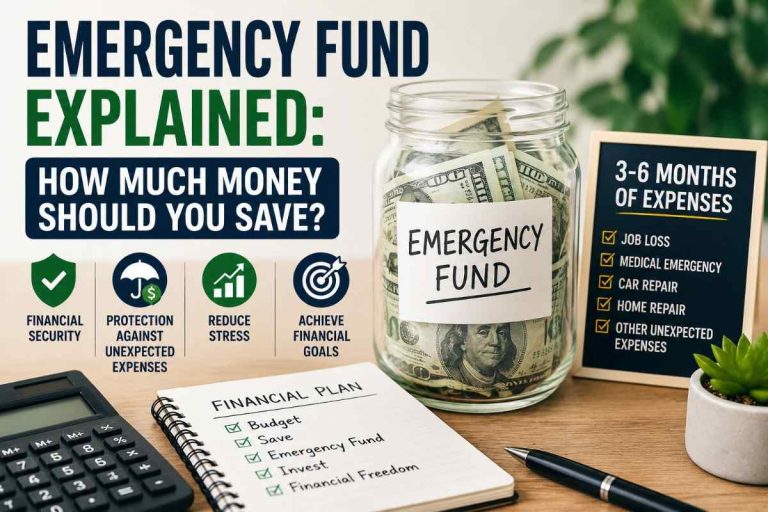
Maintain three to six months of essential living expenses in a secure, easily accessible account.
2. Invest for Long-Term Growth
Historically, diversified investments have provided returns above inflation over extended periods.
Examples include:
- Broad-market index funds
- Exchange-Traded Funds (ETFs)
- Dividend-paying stocks
- Real estate investment trusts (REITs)
3. Diversify Your Portfolio
Diversification spreads risk across different asset classes.
A balanced portfolio may include:
- Stocks
- Bonds
- Real estate
- Cash
- Commodities
Diversification helps reduce the impact of inflation on overall wealth.
4. Increase Your Income
One of the best ways to offset inflation is by increasing your earning potential.
Consider:
- Negotiating salary increases
- Learning high-income skills
- Freelancing
- Starting a side hustle
- Building passive income streams
Higher income helps maintain purchasing power as prices rise.
5. Review Your Budget Regularly
Inflation changes household expenses over time.
Review your budget periodically to:
- Identify unnecessary spending
- Adjust savings goals
- Prioritize essential expenses
- Plan for rising costs
Regular financial reviews help you stay on track.
Common Mistakes During Inflation
Avoid these common financial mistakes:
- Keeping too much money in low-interest accounts
- Panic-selling investments during market volatility
- Ignoring rising living costs
- Failing to diversify investments
- Accumulating high-interest debt
- Delaying long-term investing
Remaining calm and disciplined is often the best approach.
Long-Term Strategies for Beating Inflation
Building wealth despite inflation requires a long-term perspective.
Effective strategies include:
- Investing consistently
- Reinvesting dividends
- Maintaining diversified portfolios
- Avoiding emotional investment decisions
- Increasing savings rates as income grows
- Continuing financial education
Compounding returns over many years can help outpace inflation.
Frequently Asked Questions
Is Inflation Always Bad?
Not necessarily. Moderate inflation is a normal part of a healthy economy. Extremely high inflation, however, can significantly reduce purchasing power and create economic uncertainty.
Can Investments Always Beat Inflation?
No investment is guaranteed. However, diversified long-term portfolios have historically offered better opportunities to outpace inflation than keeping large amounts of cash.
Should I Keep Cash During Inflation?
Yes—but only enough to cover emergencies and short-term expenses. Excess cash may lose value over time if inflation exceeds interest earned.
Conclusion
Inflation is an unavoidable part of the economy, but it doesn’t have to derail your financial future. Understanding how inflation affects your savings and investments allows you to make informed decisions that protect and grow your wealth.
While cash savings provide security, they may lose purchasing power when inflation rises. Long-term investments, diversified portfolios, and consistent financial planning can help offset inflation’s effects and preserve your wealth over time.
The key is to stay proactive. Review your budget regularly, continue investing for the long term, diversify your assets, and focus on increasing your income whenever possible.
By taking these steps, you can reduce the impact of inflation and build a stronger financial future regardless of economic conditions.