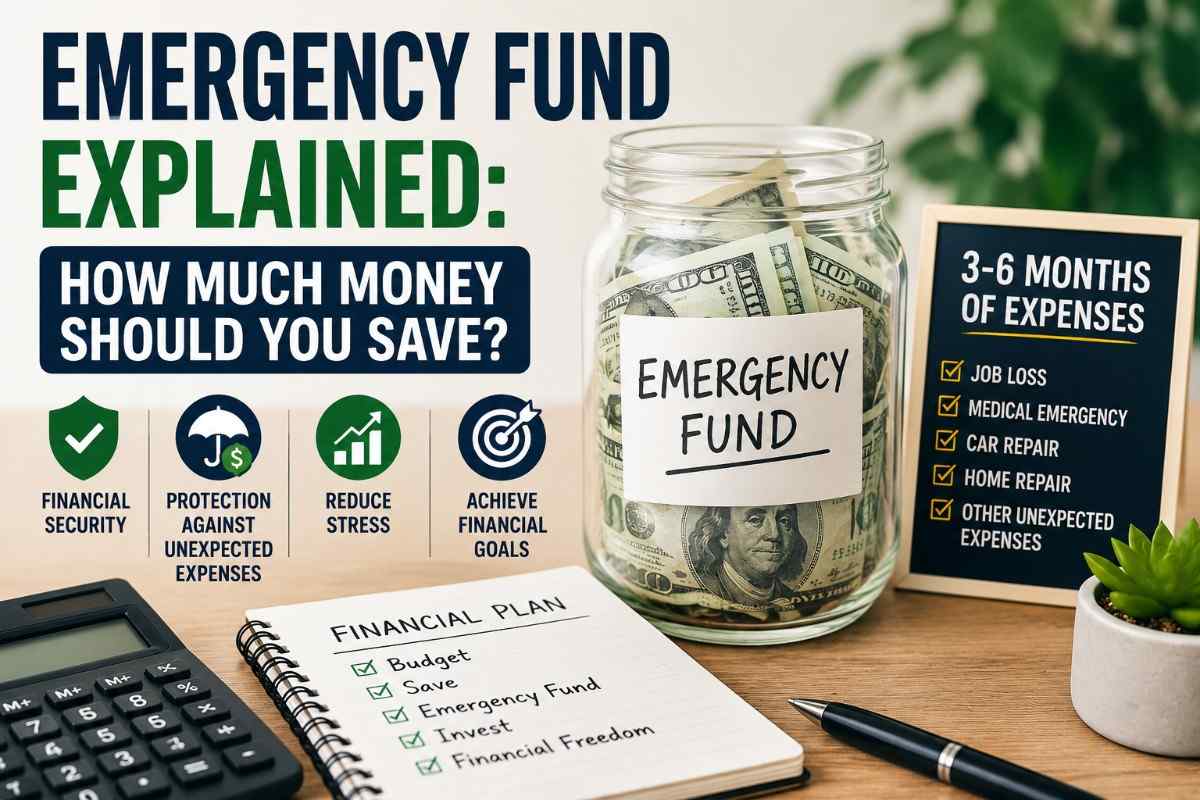
Emergency Fund Explained: How Much Money Should You Save?
Introduction
Life is unpredictable. No matter how carefully you plan your finances, unexpected expenses can arise at any time. A sudden job loss, medical emergency, car repair, home maintenance issue, or economic downturn can quickly disrupt your financial stability.
This is why financial experts consistently recommend building an emergency fund. An emergency fund acts as a financial safety net, helping you cover unexpected expenses without relying on credit cards, personal loans, or borrowing from friends and family.
But one question remains common among savers: How much money should you save in your emergency fund?
In this comprehensive guide, we’ll explain everything you need to know about emergency funds, including how much you should save, where to keep your money, how to build your savings quickly, and common mistakes to avoid.
What Is an Emergency Fund?
An emergency fund is money set aside specifically for unexpected financial emergencies.
Unlike regular savings accounts used for vacations, shopping, or planned purchases, an emergency fund is reserved for genuine financial emergencies.
Examples include:
- Job loss
- Medical bills
- Emergency travel
- Major car repairs
- Home repairs
- Unexpected family expenses
- Temporary loss of income
The primary purpose of an emergency fund is to provide financial security during difficult situations.
Why Is an Emergency Fund Important?
Many people underestimate the importance of emergency savings until they face an unexpected expense.
Without an emergency fund, you may be forced to:
- Use high-interest credit cards
- Take personal loans
- Borrow money from others
- Sell investments prematurely
- Miss important bill payments
These actions often create long-term financial problems.
Benefits of an Emergency Fund
An emergency fund provides:
Financial Security
Knowing you have money available for emergencies reduces financial stress.
Protection Against Debt
Emergency savings prevent reliance on expensive borrowing options.
Greater Financial Freedom
You gain flexibility to handle life’s challenges without disrupting your long-term financial goals.
Peace of Mind
Unexpected expenses become manageable rather than overwhelming.
How Much Money Should You Save in an Emergency Fund?
The ideal emergency fund depends on your financial situation, lifestyle, income stability, and responsibilities.
However, most financial professionals recommend saving:
Minimum Emergency Fund
$1,000 to $2,000
This amount can cover many common emergencies such as:
- Car repairs
- Appliance replacement
- Minor medical expenses
For beginners, reaching this milestone should be the first goal.
Standard Emergency Fund
Three to Six Months of Living Expenses
This is the most widely recommended emergency savings target.
Calculate:
Monthly Essential Expenses × 3–6 Months
For example:
Monthly expenses = $2,500
Emergency fund target:
- 3 months = $7,500
- 6 months = $15,000
This level of savings can help cover unemployment or significant financial disruptions.
Larger Emergency Fund
Six to Twelve Months of Living Expenses
You may need a larger emergency fund if you:
- Are self-employed
- Own a business
- Have irregular income
- Work in a volatile industry
- Support dependents
- Have significant financial obligations
Larger emergency reserves provide additional protection against prolonged income interruptions.
How to Calculate Your Emergency Fund Target
Start by identifying your essential monthly expenses.
Include:
- Housing costs
- Utilities
- Food
- Insurance
- Transportation
- Loan payments
- Healthcare expenses
- Childcare costs
Exclude:
- Entertainment
- Vacations
- Luxury purchases
- Non-essential subscriptions
Your emergency fund should cover necessities rather than your full lifestyle spending.
Example Calculation
Monthly necessities:
- Rent: $1,200
- Utilities: $250
- Groceries: $500
- Insurance: $200
- Transportation: $300
- Miscellaneous essentials: $250
Total:
$2,700 per month
Emergency fund goal:
- 3 months = $8,100
- 6 months = $16,200
This provides a realistic savings target.
Where Should You Keep Your Emergency Fund?
Your emergency savings should be:
- Safe
- Accessible
- Separate from daily spending accounts
The goal is preservation and accessibility—not high returns.
Best Places to Store an Emergency Fund
High-Yield Savings Account
Advantages:
- Easy access to funds
- Interest earnings
- Low risk
This is often considered the best option.
Money Market Account
Offers:
- Competitive interest rates
- Liquidity
- Security
Suitable for larger emergency funds.
Traditional Savings Account
While interest rates may be lower, accessibility remains excellent.
Where Not to Keep Your Emergency Fund
Avoid storing emergency savings in:
Stocks
Stock market declines may reduce your available funds when you need them most.
Cryptocurrency
Cryptocurrencies are highly volatile and unsuitable for emergency savings.
Long-Term Investments
Emergency funds should not be tied up in assets that require time to liquidate.
Everyday Checking Accounts
Keeping emergency savings too accessible increases the temptation to spend them.
How to Build an Emergency Fund Fast
Many people delay building emergency savings because they believe it takes too long.
The truth is that small, consistent contributions can create substantial savings over time.
1. Automate Your Savings
Set up automatic transfers immediately after each paycheck.
Automation removes the temptation to spend money before saving it.
2. Create a Budget
Budgeting helps identify unnecessary expenses that can be redirected toward savings.
Look for:
- Unused subscriptions
- Excessive dining out
- Impulse purchases
- Entertainment expenses
3. Save Windfalls
Unexpected income sources can accelerate your progress.
Examples include:
- Tax refunds
- Bonuses
- Gifts
- Side hustle income
Directing these funds toward emergency savings can significantly shorten the timeline.
4. Reduce Lifestyle Inflation
As income increases, many people increase spending.
Instead of upgrading your lifestyle immediately, allocate additional income toward your emergency fund.
5. Start a Side Hustle
Additional income streams can help you build savings more quickly.
Popular side hustles include:
- Freelancing
- Online tutoring
- Content creation
- Affiliate marketing
- Selling digital products
Common Emergency Fund Mistakes
Building an emergency fund is simple in theory, but many people make avoidable mistakes.
Mistake #1: Never Starting
Many people postpone saving because they believe they need large amounts immediately.
Start with whatever amount you can afford.
Even small savings are better than none.
Mistake #2: Using Emergency Savings for Non-Emergencies
Emergency funds should not be used for:
- Vacations
- Shopping
- Entertainment
- Holiday gifts
Only use these funds for genuine emergencies.
Mistake #3: Keeping Too Little Saved
A $500 emergency fund may not be sufficient for major financial disruptions.
Continue building after reaching your initial savings goal.
Mistake #4: Investing Emergency Savings
Emergency funds prioritize safety and liquidity over investment returns.
Avoid excessive risk.
Mistake #5: Failing to Replenish Funds
If you use part of your emergency fund, begin rebuilding it immediately.
Maintaining adequate reserves is essential.
Emergency Fund vs Savings Account
Many people confuse general savings with emergency savings.
Emergency Fund
Purpose:
Unexpected financial emergencies
General Savings
Purpose:
Planned expenses such as:
- Vacations
- New electronics
- Weddings
- Home upgrades
Keeping these funds separate improves financial organization.
Emergency Fund vs Investing
Should you save or invest first?
A balanced approach often works best.
Most experts recommend:
Step 1
Build a starter emergency fund.
Step 2
Pay down high-interest debt.
Step 3
Continue investing while growing your emergency fund.
Having emergency savings prevents you from selling investments during market downturns.
How an Emergency Fund Helps You Build Wealth
Many people think emergency funds slow wealth building because the money isn’t invested aggressively.
In reality, emergency savings support long-term wealth creation by:
- Preventing debt accumulation
- Protecting investments
- Reducing financial stress
- Providing flexibility during career transitions
Financial stability creates a stronger foundation for investing and wealth accumulation.
Signs You Need a Larger Emergency Fund
Consider increasing your emergency savings if:
- You are self-employed
- Your income fluctuates significantly
- You have dependents
- You own a home
- You work in an unstable industry
- You have substantial monthly expenses
Larger reserves provide additional protection during uncertain times.
Conclusion
An emergency fund is one of the most important components of a strong financial plan. It provides security, flexibility, and protection against life’s unexpected challenges.
While the ideal emergency fund size varies by individual circumstances, most people should aim to save at least three to six months of essential living expenses. Those with variable incomes or greater financial responsibilities may benefit from even larger reserves.
The key is to start today. Even small contributions made consistently can grow into a meaningful financial safety net over time.
Building an emergency fund is not just about saving money—it’s about creating financial stability, reducing stress, and preparing for the unexpected while protecting your path toward long-term financial freedom.