How to Maximize Returns with High-Yield Savings Accounts in 2026
Introduction to High-Yield Banking
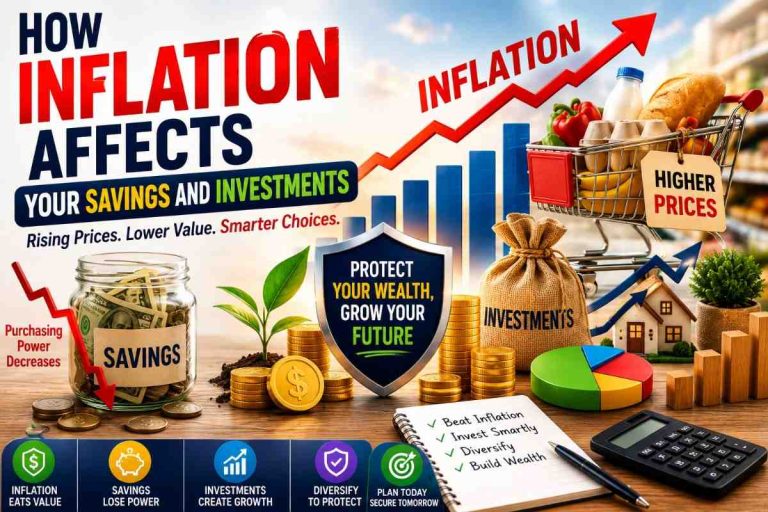
In today’s fluctuating economic landscape, letting your money sit in a traditional savings account is practically costing you money. With inflation constantly threatening purchasing power, smart investors and everyday savers are turning to high-yield savings accounts (HYSAs) to maximize their passive returns. Whether you are building an emergency fund or saving for a major purchase, understanding how these financial instruments work is the first step toward true financial optimization.
What Exactly is a High-Yield Savings Account?
A high-yield savings account functions exactly like a standard savings account, but with one major difference: the Annual Percentage Yield (APY). While traditional banks might offer a fraction of a percent in interest, high-yield accounts often provide rates that are significantly higher—sometimes up to ten times the national average. These accounts are predominantly offered by online banks, which have lower overhead costs than brick-and-mortar institutions and pass those savings on to their customers in the form of better rates.
Why Interest Rates Matter More Than Ever
The global financial shifts of the past few years have made APY a critical metric for personal finance. Compound interest is the engine of wealth generation. When you deposit your money into a high-yield account, you aren’t just earning interest on your principal balance; you are earning interest on your interest. Over a span of five to ten years, the difference between a 0.5% APY and a 4.5% APY can result in thousands of dollars in passive income, requiring zero extra effort on your part.
Key Features to Look For
When selecting the right account for your portfolio, do not just chase the highest rate. Look for the following features:
- FDIC or NCUA Insurance: Ensure your deposits are federally protected up to $250,000.
- No Monthly Maintenance Fees: High yields are useless if they are eaten up by hidden administrative costs.
- Compounding Frequency: Accounts that compound interest daily will yield slightly higher returns than those that compound monthly.
- Accessibility: Check if the bank offers a robust mobile app, easy digital transfers, and accessible customer support.
Conclusion
Transitioning your funds into a high-yield savings account is one of the easiest and most secure financial moves you can make this year. By doing your research, comparing APYs, and reading the fine print regarding fees, you can set your money on autopilot and watch it grow safely over time.